loose scree before dawn, cloud filling the basin by ten
Reserve nine nights walking the cirques of Reunion
Nine nights are held for you on Reunion, two on the west coast at either end, three in the village of Cilaos, one on a bunk in a stone refuge at 8,130 feet and three inside Mafate, where no road arrives, from $3,188 per person with two sharing. A state qualified mountain leader walks with you on six of those days and carries the map. What you go for is the ground itself, an island 39 miles long with a dead volcano 10,069 feet high in the middle of it and three collapsed basins around its flanks, two of which this walk goes down into.
9 nights, from $3,188 per person.
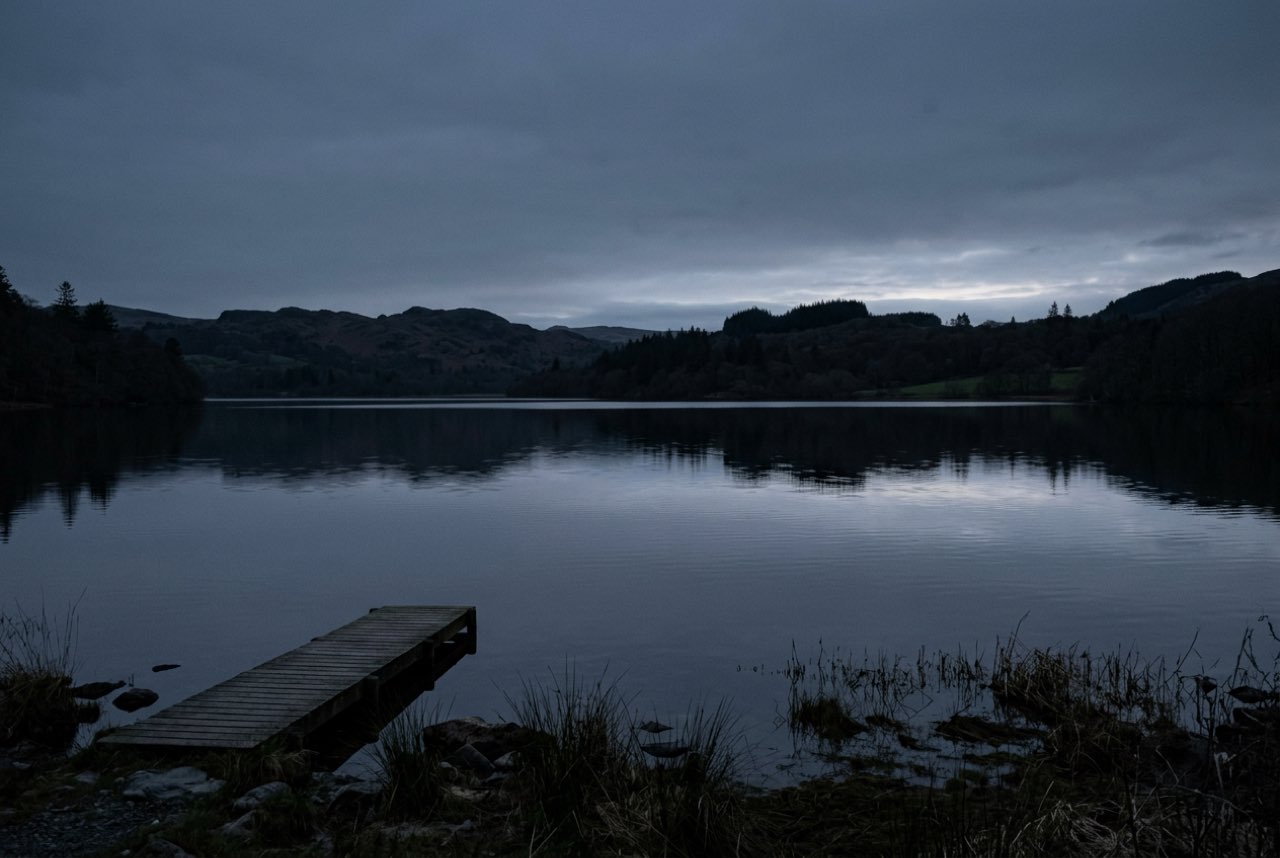
You reserve nine nights walking the cirques of Reunion and the office holds every bed on the list, in order, before you leave home. Reunion sits in the Indian Ocean about 420 miles east of Madagascar, and it is a department of France, so the currency is the euro, the road signs are French and the bread arrives at six. Seen from the water it is a wall. The airport is on the north coast at sea level, and within four hours of landing you can be standing on a col at 6,831 feet looking down into a basin with no road in it.
That basin is Mafate. The other one this walk goes into is Cilaos, which does have a road, of a sort. Both are collapse scars on the flank of Piton des Neiges, which last erupted around 12,000 years ago and now stands 10,069 feet above the sea, the highest ground for a very long way in any direction. You sleep in both of them, and on the fourth morning you stand on top of the thing that made them.
When it goes
Weekly starts all year, with the dry run of months from May to October the ones people ask about first
most of the year: a long window, and the page says what changes across it
What is reserved
Nine nights walking the cirques of Reunion
9 nights, from $3,188 per person. Send a booking request
Held on your dates, a twin room at each of five addresses, two bunks in a refuge dormitory that sleeps about fifty, half board from the second night through the eighth, a mountain leader for six walking days, and a car with a driver for four road moves; your luggage travels by road and waits for you on the west side while you cross Mafate, because nothing with wheels goes in there.
The island is 39 miles long and 28 wide, and nearly all of that is one mountain that stopped erupting about 12,000 years ago and then fell in on itself in three places. Those three hollows are the cirques, their walls stand 3,000 to 4,500 feet above the floors, and one of them, Mafate, has no road into it and never has had. Around 700 people live down there in ten hamlets, the mail is walked in on a man's back, the gas bottles come by helicopter, and the children board out on the coast from the age of eleven. In January 1966 a gauge on the rim above Cilaos caught 1,825 millimetres of rain in twenty four hours, which is still the figure for one day anywhere on earth, so the drainage you cross is cut deep and the footbridges are steel and hung high. The southeast trade wind pushes cloud up the ravines from about nine in the morning, which means at seven you can see the whole rim of the basin and by eleven you are walking inside a white room, hearing water you cannot see.
Nine nights of beds, with a private bathroom in Cilaos and on the coast and shared washing at the refuge and in two of the three Mafate hamlets; breakfast every morning; dinner on the seven inland nights, served at the hour the house serves it; a packed lunch on each of the six walking days; a state qualified mountain leader for those six days; the refuge bunk reserved under your name, with the dormitory doors shut at nine; four road transfers by car with a driver, including the 22 miles of the Cilaos road; your bags moved and held on the west side while you cross Mafate; a 1:25,000 sheet for each cirque and a written kit list four weeks before you go; every bed tax on the itinerary.
The flight to the island, which is your own arrangement and runs about $1,250 to $2,100 round trip from the middle of the United States; lunch on the three days you are not walking, $12 to $22; drinks with dinner, $4 to $9 a glass; the sheet liner the refuge and the Mafate houses require, $18 to $30 if you buy one in Cilaos; walking poles, $25 to $45 a pair; euros in cash for Mafate, where there is no cash machine and the counters take no cards, $80 to $150 for three days; the thermal bath house in Cilaos on the rest day, $9 to $16; laundry, $10 to $18 a load; a tip for the leader if you want to leave one, $60 to $120 across the week; anything you buy at the two shop counters inside the basin.
The walk up to the refuge is 3,500 feet of climb in about four hours, and the following morning you give back 5,400 feet in one go, first on loose volcanic grit and then on steps cut into the ravine; knees that already object to stairs will object to both halves. Between Cilaos and the west rim you carry four days of your own kit on your own back, and the last climb, out of Roche Plate up to Maido, is 3,650 feet in under three miles with no water on the way. Nights three, six, seven and eight are dormitories or small rooms with thin walls, dinner is at a fixed hour or not at all, and after eight in the evening there is nothing to do in a Mafate hamlet except sit outside in the dark. If a night at 8,130 feet with the thermometer near freezing at four in the morning reads to you as something to be got through rather than the reason for coming, this is the wrong nine nights.
The road to Cilaos, and the mountain above it
The road in is 22 miles and takes an hour and a half. It was cut into the side of a gorge between 1930 and 1932 and it turns more than four hundred times; three of the tunnels near the bottom are single lane, with a mirror on the far wall and a give way line, and after a hard night of rain the crews close the whole thing while they clear rock off the deck. Your driver knows this and starts early. You arrive in the village at 3,940 feet, where the air is fifteen degrees cooler than the coast you left after breakfast and the afternoon cloud has usually already arrived.
Cilaos grows lentils on stone terraces at Ilet a Cordes, forty minutes further on a road with a similar temperament, and about thirty acres of chenin and pinot noir sit above the village at nearly 4,000 feet, which is high for a vine anywhere. The hot springs that gave the village its reason to exist come out of the rock at 100 degrees and feed a public bath house on the lower street. The rest day after the summit is there for the bath house and the terraces, and most people spend a good part of it sitting down.
The refuge day starts at a road head called Le Bloc, 4,625 feet, and climbs 3,500 feet in about four hours. The first hour is under tamarin trees, which grow only here and lean uphill; the second is through waist high scrub; the last is bare grey rock with cairns on it. The refuge is stone, built into the slope at 8,130 feet, sleeps about fifty in bunks and serves dinner at half past six because the kitchen runs on bottled gas that has to be carried up. Lights go out at nine. The alarm is at a quarter to four, and the summit is 1,900 feet above the door, ninety minutes on grit that slides back half a step for every step you take.
Three nights where no road arrives
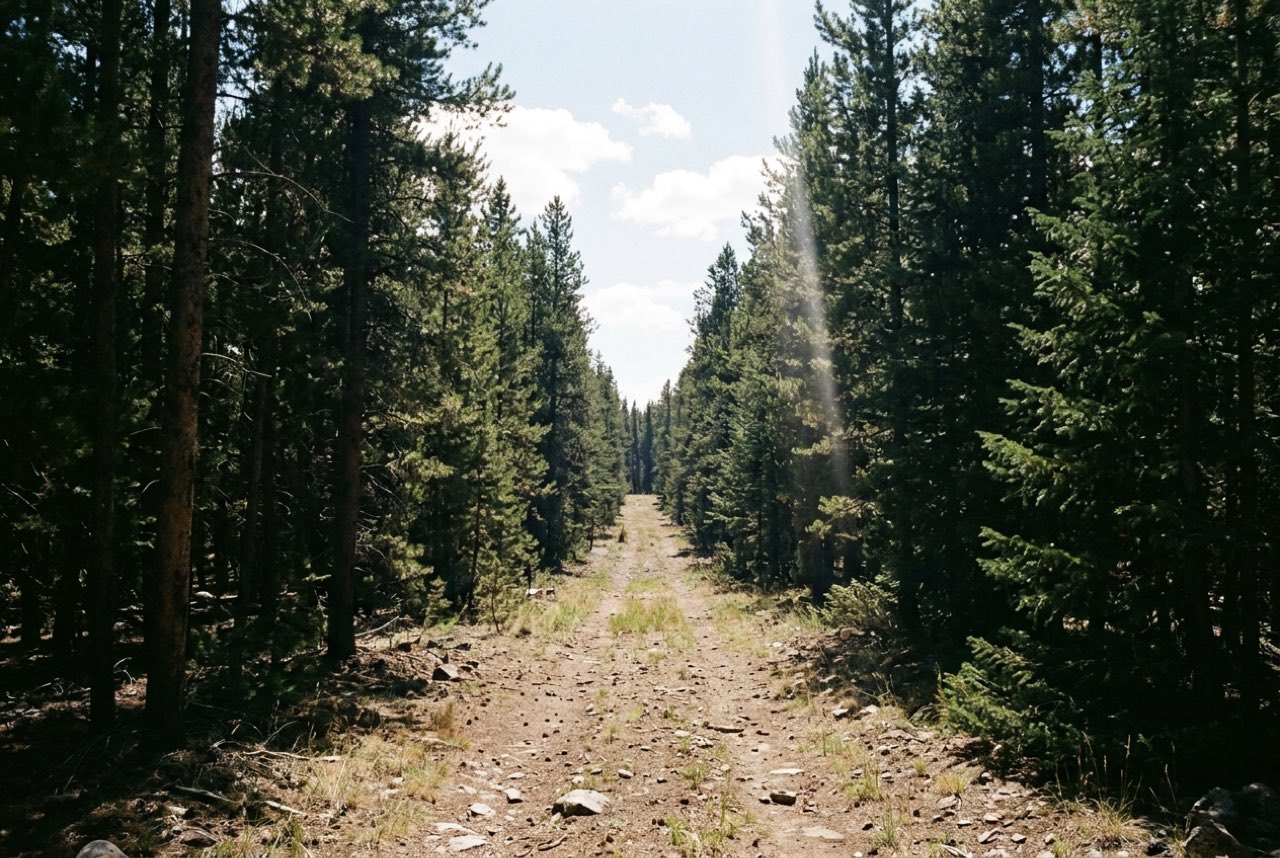
From Cilaos you walk out over the Col du Taibit, 6,831 feet, five to six hours with 3,000 feet of climb and 1,500 down the other side, and the far side is Mafate. Marla, the first hamlet, sits at 5,348 feet and has fewer than fifty residents, one counter selling eggs and bread, and a view straight back at the wall you came over. La Nouvelle, a short day further on at 4,659 feet, is the largest of the ten hamlets and has a chapel, a school with one class in it and grass that gets cut with a strimmer flown in.
Between La Nouvelle and Roche Plate the path drops to Trois Roches, where the Riviere des Galets has sawn a slot about thirty feet deep into a solid lava flow and then falls into it. You cross the flow itself, bare rock scoured smooth and grooved by water, and there is no handrail. Roche Plate, at 3,576 feet, sits under the west wall in full afternoon sun with a temperature ten degrees above Marla. Dinner in all three is at seven, cari and rice and beans on the same plate, and it is served once. The lights are solar and go off when the batteries decide.
What you notice in Mafate is the logistics of other people's ordinary lives. Bread comes down a track. The postman walks a circuit that takes him two days. Twice a morning a helicopter drops a net of gas bottles and cement onto a marked square and lifts away again, and the sound bounces around the walls for a minute afterwards. Nobody down there is on holiday.
Twelve months under the trade wind
The window is long, most of the year, but the year is not one thing, and the difference between February and July on this island is the difference between two separate trips.
The wet heart of the cyclone season; the Cilaos road closes for rock, the Mafate paths wash into the river, and walking days get moved or dropped
Rain eases late in the month, the streams are still loud, the summit is in cloud most mornings
The first dependably dry fortnight arrives after the fifteenth; everything is green and the ravines are still running hard
Dry and clear, eleven hours of daylight, sunrise about ten to seven; the refuge is near freezing at four in the morning
Cold and clear, frost on the grit above 8,000 feet, French school holidays on the island, and the Mafate register for July is written up early in the year
Dry, with wind on the cols; the tamarin forest stays out of cloud until noon
Warming and flowering, the last of the dry ground, and the cyclone season formally opens on the fifteenth of November
Hot and close below 3,000 feet, thirteen hours of daylight, heavy afternoons, and the island's own holiday traffic on both cirque roads
Getting to the island, and who sends you the bill
Getting to Reunion is your own arrangement and this office arranges no flight, holds no seat and has none to give you. Most people leaving from Kansas City route through Paris and land on the north coast in the morning, which is why the first night on this itinerary is at sea level and the road to Cilaos waits until day two. Tell us your landing time and the driver is at the door for it.
Third Coast Dispatch Bookings LLC, which does business under the name Third Coast Dispatch, owns no aircraft, no vehicle, no vessel and not one of the beds described above. What it does is put your dates in front of the company that runs the walking days and the houses that keep the rooms, then hold the answer under your name in writing. The operating company invoices you itself, on its own paperwork, in euros, and it is paid directly; this office takes no payment of any kind, at any stage, in any form, and there is nothing on this page to check out of.
A written figure against your own dates takes two to four working days, because the refuge register and the three Mafate houses each answer separately and two of them answer by telephone in the evening, their time. Send your dates and the number of people to bookings@thirdcoastdispatch.com, or call +1 (816) 525-2846 and somebody will read the dates back to you before anything is held. If a detail here has gone stale, and pages about mountains do go stale when a track slips, write to corrections@thirdcoastdispatch.com. This office is at 600 SW Jefferson St, Suite 302, Lee's Summit, MO 64063, and Third Coast Dispatch Bookings LLC is registered in Lee's Summit, Missouri.
Send this office a booking request
Open 24/7, this form will take a booking request whenever you write it. Nowhere on it is a card number requested and nothing is charged, because no money is ever owed to this office. Whatever reaches the form is opened in the order it landed, and an answer goes back inside one working day.
Nowhere on this page is a card number requested, and none is kept by this office anywhere. Writing costs you nothing and ties you to nothing. Asking is not the same as holding: your date belongs to whoever asks next until the operating company has confirmed it on paper and you have read what it requires of you.