outriggers loaded at six, wet rope, the generator off at ten
Reserve a ten night island trip in Palawan
Ten nights across three parts of Palawan, three of them at Port Barton on the west coast, three in a village on one of the Linapacan islands and four in the town of Culion, from $3,114 per person on two sharing. A boat goes out on six of those mornings, loaded at six and away by seven, because the wind here gets up around one in the afternoon and turns the water short and hard. Ten nights rather than four is what it takes to reach the two beds that have no road to them and still sit still for a day at each.
10 nights, from $3,114 per person. Two sharing.
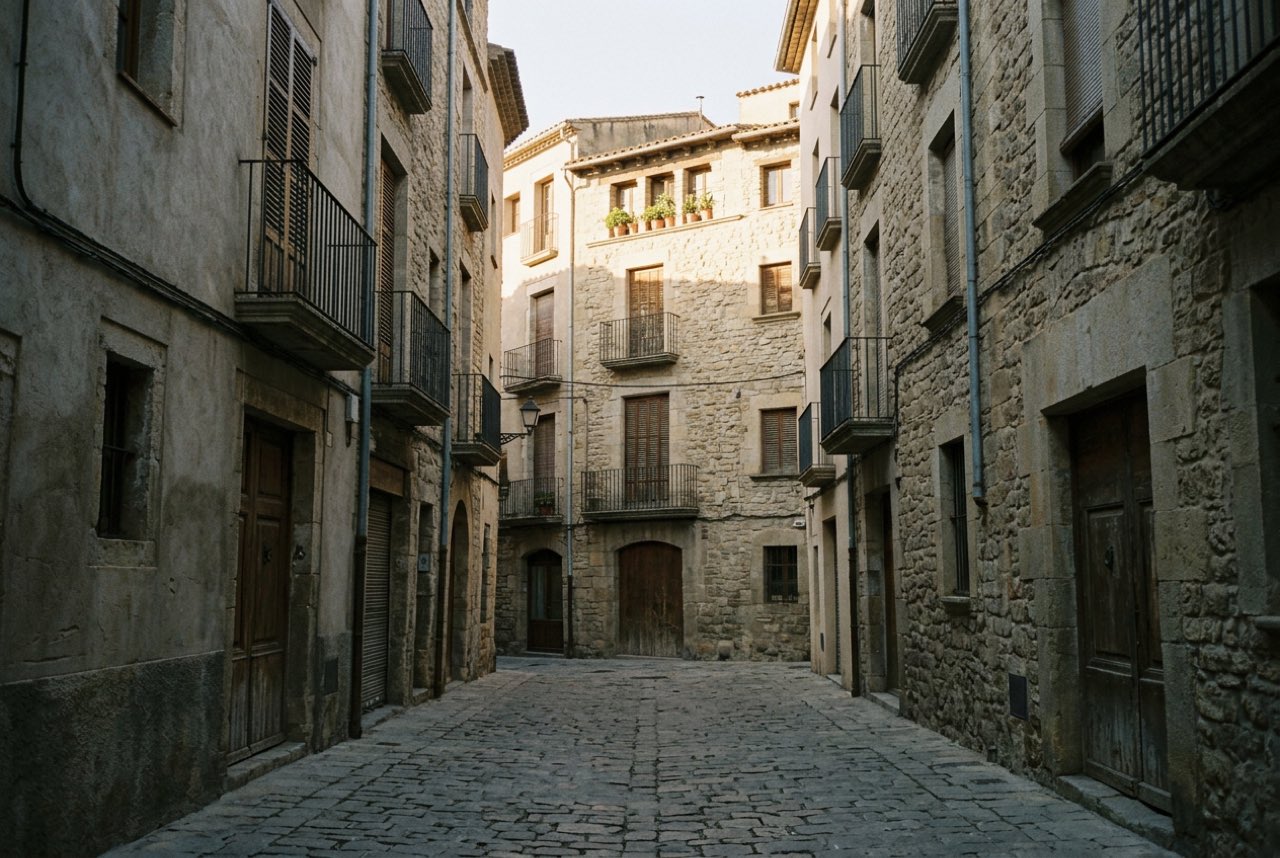
Reserve a ten night island trip in Palawan and what you are holding is three rooms, six days of a boat with your two names against it, and two crossings of open water carried by the company that runs the trip. The bases are Port Barton on the west coast of the main island, a village on one of the Linapacan islands out in the strait, and the town of Culion in the Calamian group to the north. A road reaches the first of them. Nothing reaches the other two except water. Getting yourself to the Philippines is your own piece of work, because this office sells no air travel of any kind and will not put a figure on it.
The road north out of Puerto Princesa covers 90 miles to the Port Barton turn in three and a half hours, and the last twelve miles of it are patched rather than surfaced. Port Barton up to El Nido is another 105 miles and four hours. That is the end of the roads until the last morning. From El Nido the crossing out to Linapacan is 35 miles and three hours in a wooden outrigger with two engines, four hours when the swell is running; the second crossing, Linapacan on to Culion, is nearer 50 miles and takes five. Both go in the morning. Nobody who works this water starts a long crossing after noon.
Starts run most weeks of the year, from the second week of October to about the fifteenth of July, and that window is not one kind of weather. Tell this office the week you have in mind, how many rooms and who is in them, and a written figure against those exact dates comes back inside two to four working days. It waits on three houses, one boatman and a community office that answers on Tuesdays and Thursdays.
When it goes
Any week from the second week of October to the middle of July
most of the year: a long window, and the page says what changes across it
What is reserved
A ten night island trip in Palawan
10 nights, from $3,114 per person. Two sharing. Send a booking request
This office owns no boat, no room and no place on anything that floats. The outrigger is the property of the two men who run it and who sleep aboard when they are away from home. The stilt room on Linapacan belongs to a family who let three rooms and cook over a wood fire. The room in Culion sits above a bakery and belongs to the woman who lights that oven at four in the morning. The work at this end is narrow: your dates go out, the company that operates the ten nights says whether all of it holds together for one week, and then it writes its own contract with you and sends you its own bill. Nothing is paid here, in cash, by card or in any other form.
The reservation holds one twin or double room for ten nights across three houses, a boat and two boatmen on six full days, the two long water crossings that the operating company carries under its own passenger licence, every road leg on the main island, and the landing fees the boatman pays in cash before anybody steps off.
Palawan runs about 270 miles from the Borneo end up to the Calamian group and is nowhere more than 25 miles wide, so from a ridge on a clear morning you see water on both sides of it. The limestone that stands over Bacuit Bay and around Coron Island is Permian, something near 250 million years old, and it comes out of the sea in walls of 600 to 900 feet with no beach at the foot of them. Coron Island is held by the Tagbanua under an ancestral domain title, and of its seven lakes they keep five closed and open two, so the day there runs with one of their own guides and ends when he says it ends. Barracuda Lake sits behind a ridge you cross on a wooden stair; the surface water is about 82 degrees and at 45 feet down it goes to nearly 100, which your hands register before you believe it. Culion took in people with leprosy from 1906 onward, several thousand across the decades, and the church above the harbor was put up in 1933 on the wall of a fort dated 1740. Daylight barely moves all year: sunrise between 5:35 and 6:15, sunset between 5:48 and 6:22, so a June day is about seventy five minutes longer than a December one and both of them end fast.
ten nights of a twin or double room in three houses, a garden cottage with a fan and a net at Port Barton, a stilt room over the sand on Linapacan and a room with air conditioning from six in the evening at Culion; breakfast every morning, cooked to order at two of the houses and put out at seven at the third; dinner on the seven nights the houses cook, on the table at seven because the kitchen closes at eight; a wooden outrigger boat with two boatmen and all fuel on six full days, roughly seven in the morning to four in the afternoon; the two long water crossings, El Nido out to Linapacan and Linapacan on to Culion, which the operating company carries on its own vessel under its own passenger licence and puts on its own invoice; the shorter water leg from Culion back up to Coron town at the finish, held under the same licence; the road legs on the main island, 90 miles from Puerto Princesa to Port Barton and 105 miles from Port Barton to El Nido; the road leg from Coron town out to the airfield on Busuanga, about forty minutes; the community and landing fees in Bacuit Bay and on Coron Island, paid in cash by the boatman before anyone gets off; a Tagbanua guide for the whole of the Coron Island day, which their community requires and the operator arranges; masks and snorkels in three sizes and one dry bag each; drinking water off a five gallon drum lashed under the bench, refilled every morning; and a printed day sheet with each departure time, the length of each crossing and the state of the tide.
the flight to the Philippines, which you buy yourself and which this office neither quotes nor books, $1,080 to $1,760 round trip out of Kansas City; the two domestic legs inside the country, in to Puerto Princesa and out from Busuanga, also yours to arrange, $120 to $290 for the pair; lunch on the four days with no boat, $4 to $9 a head at a place with plastic chairs; dinner on the three nights the houses do not cook, $6 to $14; a cold bottle of beer, $1.20 to $2.50, and a young coconut handed up over the gunwale, about $1; the underground river north of Puerto Princesa if you add a night at the front end, permit, boat and van together, $65 to $95; two tanks over the sunken hulls in Coron Bay if you dive, $95 to $140, plus a refresher dive first if you have not dived in a year, $45 to $70; laundry sent out by weight, $3 to $6 a load; tips split between the two boatmen and the three kitchens, $70 to $130 over the ten days; an extra night at either end, $28 to $70 a room; and reef shoes, a long sleeved rash guard and a hat with a chin cord, which are yours to bring.
Six of these days are seven hours in an open boat with a canvas roof, a wooden bench and no rail, and by ten in the morning it is 90 degrees with the sea throwing the light back up at you, so anyone who burns or who goes green on moving water should read that twice. The landing at Kayangan is 150 steps of wet limestone up and the same number down the far side, and there is no other way in. On the Linapacan island the generator runs from six in the evening to ten at night, there is no pharmacy and no bank machine, one spot on the path above the chapel finds a phone signal, and the boat that could take you off comes when the weather allows and not before. Four of the ten days have nothing on them after two in the afternoon except water, a hammock and whatever you brought to read, so if an empty afternoon makes you restless, these are not your ten nights.
Port Barton, and the water in front of it
Boats leave off the sand at eight and are back before four, because the afternoon wind on this side of the island turns the bay short and slapping by about one. The bay holds seven small islands inside a four mile arc, and a day out is three or four of them, with the boat anchored off a sandbar while lunch cooks on a box stove in the stern. The reef the boatmen go to first lies in 15 to 25 feet of water twenty minutes out, with a wall on one flank that falls away to about 60. Green turtles feed on the seagrass off the south shore, most of them two to three feet across the shell, and the practice is that the engine goes off two hundred feet away and you swim the rest.
On land the town is twelve streets, none of them surfaced, a church, a school and a run of houses along the beach. There is one bank machine and it is often empty, so bring pesos up in the van from Puerto Princesa. Forty five minutes north along the sand and then up a stream bed puts you under a fall of about 25 feet with a cold pool below it, and on a weekday morning there is nobody else in it.
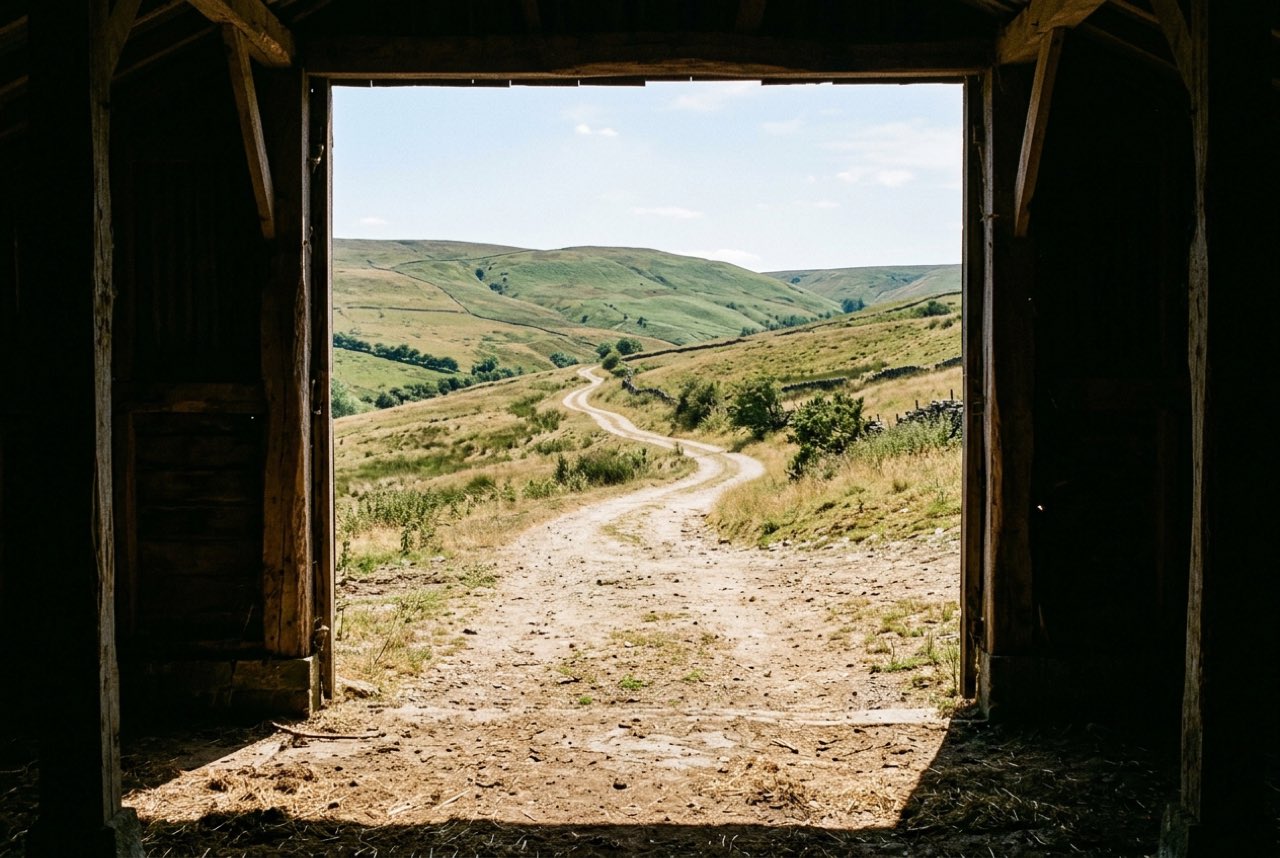
Two islands that take arrivals only off the water
The strait between El Nido and the Calamianes is forty miles of open sea with something like fifty islands standing in it, most of them empty and steep to the water. Twelve thousand people live in the whole municipality, spread thin. The village where you stay has a chapel, one store selling rice, sardines, soap and phone credit, a concrete basketball court that doubles as the meeting ground, and a generator that runs from six in the evening until ten at night. You hear it stop. After that there is the water working under the floor of the room and, some nights, a ship crossing the strait with its lights moving past the window at the pace of a slow walk. The sea off the village runs 30 to 60 feet deep and holds sea fans you can count from the boat. Two of the three days here finish at a beach where one family has a single table under a palm roof and cooks whatever the boatmen bought at the fish landing on the way.
Culion is reached across water or not at all, an hour and a half up from Coron town, and the operating company carries that leg under the same licence as the two long ones. From 1906 the government moved people with leprosy onto this island, several thousand over the decades, and built them a town with a hospital, a water system and for a time its own money, good nowhere else. The church stands over the harbor on the wall of a fort dated 1740, rebuilt in 1933 with the old cannon still set into the terrace facing the channel. The island was declared clear of the disease in 2006. The museum in the old laboratory keeps the ledgers, the microscopes and the photographs, and the people who run it have grandparents in them. Four nights is not too many: two go out on the water, one goes up the hill behind the town at six for the light coming down the channel, and one is spent doing very little in a town of nine thousand where the whole waterfront walks at dusk.
What the sea does across the window
The year inside this window changes shape three times. The northeast wind blows from November into February, clean air with chop on anything exposed. The southwest monsoon takes over from June, and between them, March into May, the strait goes flat and the heat becomes what you plan around.
Rain most afternoons, gone inside ninety minutes. The sea settles from around the tenth. Water 84 degrees, air 88.
The rain drops off, the northeast wind starts, and the strait goes glassy before eight. Crossings leave and arrive on the times printed.
Dry, 77 degrees at night, and chop on exposed legs from mid morning, so boats go earlier. Every room in the country is full 26 December to 5 January.
Settled air, water at 82, and 30 feet of visibility off the Linapacan village on an ordinary day.
Heat: 93 by noon at Culion, the strait like a plate, and shade on the boat becomes the thing you care about. Holy Week fills the whole country, so those dates need months of notice.
The southwest monsoon usually arrives in the second week. Swell on the west coast, and the Port Barton boats stay in for a day now and then.
Warm heavy rain, an hour or two at a stretch, sun in between. Starts run to about the fifteenth.
The strait crossing stops being dependable and these ten nights do not run at all.
Three houses, six boat days and a price in writing
The reservation is one twin or double room for ten nights, held on your two names in three separate houses, together with the six boat days and the crossings between them. If the Linapacan family is full on the week you asked about, this office says so in the same message that carries the figure and offers the week on either side. Nothing goes under your name anywhere until you have said yes to a written price and a written run of days.
The bill does not come from here. Once the ten nights are confirmed, the operating company invoices you under the contract it writes with you and collects from you directly; no payment of any kind is taken at this end and there is no card field on this site. Third Coast Dispatch is the name used by Third Coast Dispatch Bookings LLC, a company formed in Missouri and working with travelers across the Kansas City metro.
Two things this office will not do. It sells no airfare, so the long flight and both legs inside the country are bought by you and never quoted here. It does not advise on entry paperwork, medical questions or insurance, and says so rather than guess. Everything else about these ten nights is fair to ask. Written requests reach bookings@thirdcoastdispatch.com, the office line is +1 (816) 525-2846, and the counter is at 600 SW Jefferson St, Suite 302, Lee's Summit, MO 64063. If a distance, a time or a figure on this page has gone out of date, and on this coast they do, send it to corrections@thirdcoastdispatch.com and it gets corrected instead of defended.
Ask the office to hold a departure
Open 24/7, this form will take a booking request whenever you write it. Nowhere on it is a card number requested and nothing is charged, because no money is ever owed to this office. Whatever reaches the form is opened in the order it landed, and an answer goes back inside one working day.
Nowhere on this page is a card number requested, and none is kept by this office anywhere. Writing costs you nothing and ties you to nothing. Asking is not the same as holding: your date belongs to whoever asks next until the operating company has confirmed it on paper and you have read what it requires of you.