fifty eight degree water under ninety degree air, gravel bars, sycamores
Reserve a four night Ozark river trip in Missouri
Four nights in a cabin above the Current River, boats for four days and a driver who moves your vehicle every morning, from $1,615 per person on two sharing. The water leaves the ground at fifty eight degrees and holds there all year, so an August afternoon puts air in the middle nineties over a river in the low seventies. Nothing else is scheduled, and that is the whole design of the week.
4 nights, from $1,615 per person.
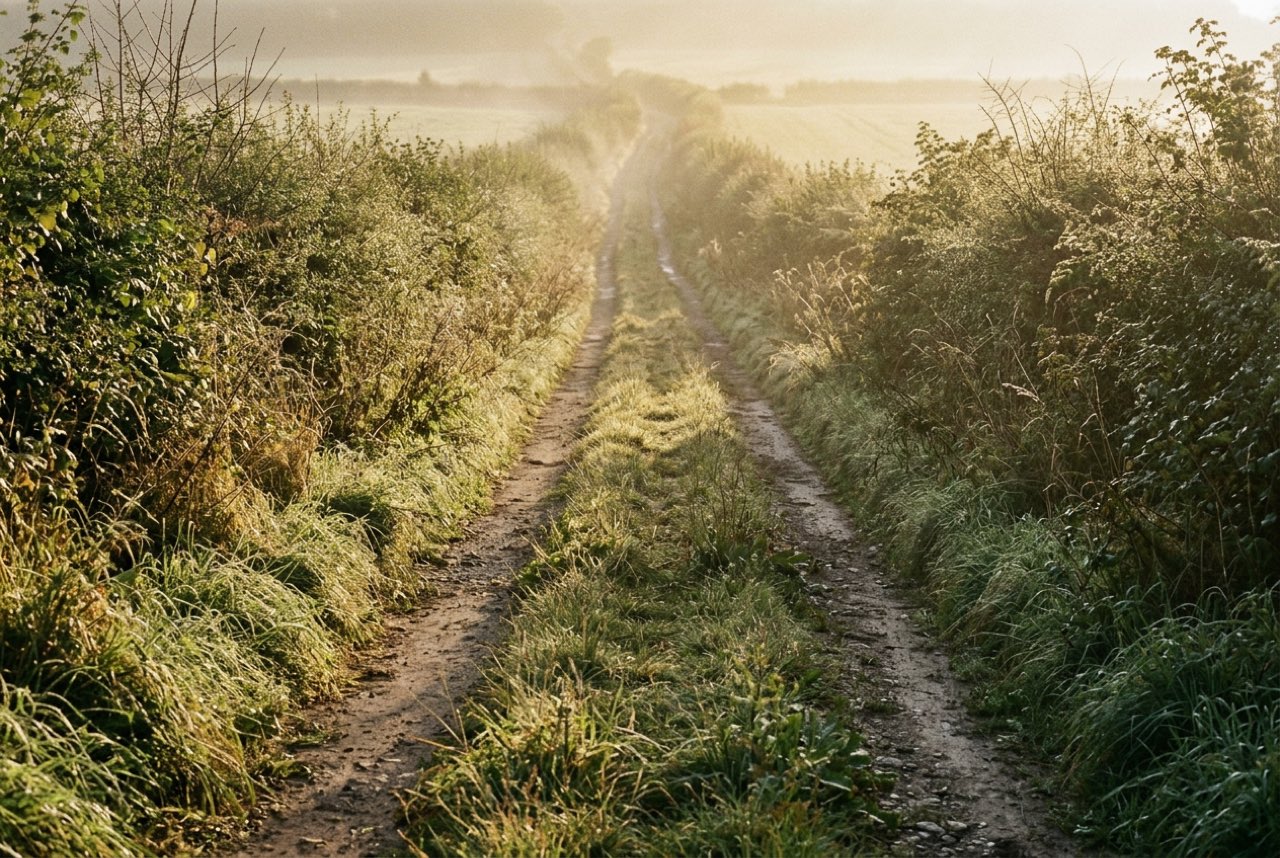
You can reserve a four night Ozark river trip in Missouri any week from the first weekend of April to the second weekend of November, and the week you pick changes the river far more than it changes the cabin. The water leaves the ground at fifty eight degrees and stays within a degree or two of that in every month. A July afternoon therefore hands you air at ninety four and a channel at seventy one. An April morning hands you air at forty eight and water at fifty eight, and cold like that takes the strength out of your forearms in about twenty minutes if you go in wearing clothes.
The cabins stand on a bench forty feet above a gravel bar, six of them set back into oak and shortleaf pine. Each has two bedrooms, a screened porch wide enough for two chairs and a wet bag, and a wood stove you will light in April and again after the third week of October. There is no television in any of them. The phone signal quits a mile before the turn off the state highway and comes back only if you walk the gravel road up to the ridge, which most people do once on the first evening and then stop bothering with.
Four days on the water come with the four nights. A driver moves your vehicle down to the take out while you are floating, or runs you up to the put in, depending on which stretch you name at supper the night before. On two of the days a guide paddles with you and reads the water out loud, which is worth more than it sounds when the channel splits around an island and one side is a strainer. On the other two you go by yourselves with a mile card in a dry bag and a time to be standing at the bottom gravel bar.
When it goes
Arrivals most weeks, April to November
most of the year: a long window, and the page says what changes across it
What is reserved
A four night Ozark river trip in Missouri
4 nights, from $1,615 per person. Send a booking request
Fifty eight degrees, and where it comes from
Rain that falls on this plateau does not run off it. It goes down through cracked dolomite, moves underground for miles, and returns through a small number of openings large enough that people gave them names. One of them puts out around two hundred and eighty million gallons a day and turns a creek into a river inside four hundred yards. Another sits in a shaft roughly three hundred feet deep and holds a blue that will not survive a photograph, because the color is depth and a photograph flattens depth into paint.
What that buys you on the water is cold and clarity. After three weeks without rain in late August you can sit still in six feet of water and count individual stones on the bottom. The same arithmetic puts mist on the surface every morning from mid September into late October: fifty eight degree water under forty five degree air smokes until roughly nine, and the bluffs on the east bank keep the sun off the channel for an hour beyond that, so you paddle the first bend of the day in gray light and come into full sun around a corner.
The bluffs themselves run two hundred to two hundred and fifty feet, gray, undercut at the waterline where the current has been working at them, sycamores leaning out of the cracks with their roots in the air. Green herons work the shallow edges. A kingfisher will go ahead of you down the corridor in short flights, one bend at a time, complaining the entire way. Otters live here and you see them in the first hour of daylight or you do not see them.
The channel falls about four feet in a mile up top. That is enough to move a loaded canoe at two and a half miles an hour with your paddle across your knees, and it is also enough to pile gravel into shoals at every bend. In April you float over those shoals without noticing them. By the middle of August you are out of the boat two or three times in a day, shin deep, walking thirty yards over cobble that shifts under your feet until the water takes the hull again.
The booking holds one two bedroom cabin for four nights, boats and gear for four days on the water, a shuttle run each morning and a guide alongside you on two of those days, all of it operated by the river company under its own licence.
The river is fed from underneath rather than from the sky: rain sinks into cracked dolomite, travels underground for miles and comes back out through openings big enough to have names, one of them at roughly two hundred and eighty million gallons a day. That water arrives at fifty eight degrees in February and fifty eight degrees in August, so the main channel in high summer sits near seventy one while the air over it runs 92 to 96. Clarity follows the same rule: after three dry weeks you can count gravel through six feet of water, and from the middle of September the channel smokes with mist until about nine because the water is warmer than the air standing on it. The bluffs are gray dolomite, two hundred to two hundred and fifty feet, undercut at the waterline, with sycamores growing straight out of the cracks. The river falls about four feet in a mile through the upper reaches, which carries a loaded canoe at two and a half miles an hour with the paddle across your knees and also builds the shoals you will walk in August. Elk were put back on the ridges east of the valley and the bulls bugle through the last ten days of September, loud enough to reach the river bottom after dark.
Four nights in a two bedroom cabin on the bench above the river, screened porch, wood stove and firewood for the first two nights; boats for four days, either a tandem canoe or two solo kayaks, swapped day to day if you want to try the other; paddles, buoyancy aids, two dry bags and a hard cooler sized to sit under the thwart; a shuttle run every morning by the river company, which owns the boats and the vans, holds the licence under which it carries you on the water, and bills you for that directly under its own contract; a guide from that same company paddling with you on two of the four days; a laminated mile card and the morning gauge reading at breakfast for the two days you go alone; supper at seven in the cookhouse on three of the nights, one of them fish and one of them not; coffee, eggs, bacon, milk and bread in the cabin when you arrive; parking for one vehicle and a hose and rack for wet gear.
The flight, if you fly rather than drive, at roughly $180 to $420 round trip from the middle of the country and still ninety miles of two lane road from the cabins, arranged by you because this office does not sell airfare; a rental car or your own fuel for the drive down, $60 to $130 round trip from Kansas City; the two suppers not in the cookhouse, $18 to $44 a head at the two places in town that serve after six; lunch on the water, either a store sandwich at $9 to $16 or groceries at $70 to $140 for the week; a state fishing permit if you intend to fish, $10 to $50, which this office does not obtain for you; a fifth day on the water or a second boat, $45 to $70; the cavern tour up the road, $12 to $25; ice at $4 a bag and extra firewood at $8 a bundle; gratuities for the driver and the guide, $40 to $120 across four days.
Anyone who cannot get into a canoe from a gravel bar, or stand on cobble that rolls underfoot, will struggle from the first morning, and by August there are two or three places in a nine mile day where everybody climbs out and walks the boat through ankle deep water. The cabins have five steps up to the porch and no lift, the ground between them is loose gravel, and the nearest hospital is fifty miles away by two lane road. July afternoons run 92 to 96 degrees with the humidity to match, ticks and chiggers are in the grass above the bar from May onward, and there is no phone signal in the valley at all. Four days with nothing scheduled is four days of silence, and a person who needs a program, a bar or a screen will be bored by the second afternoon.
The stretches, and how far each one actually is
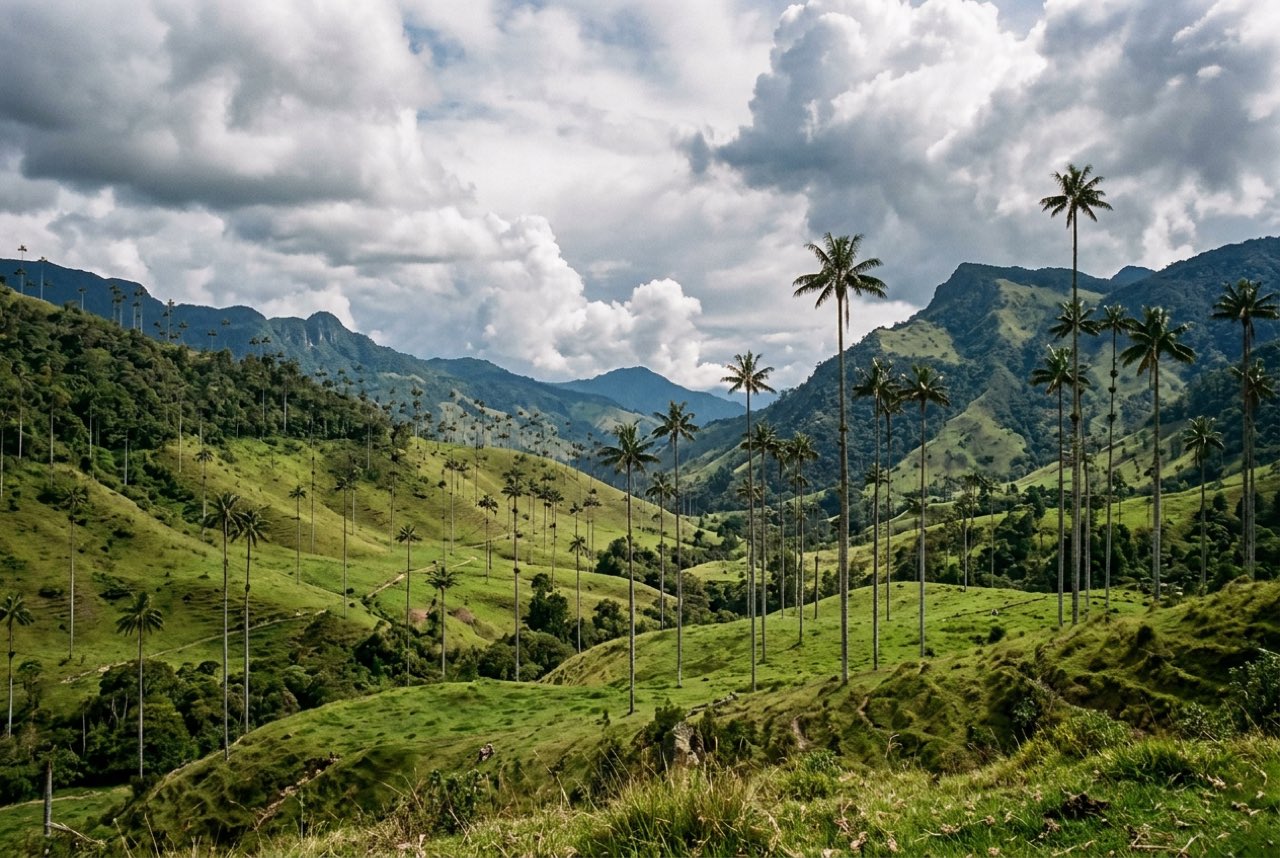
Nine miles is a four hour day if you stop twice and a two and a half hour day if you refuse to stop at all. Almost everybody plans too much distance for the first day and then works out that the gravel bar is the point of the exercise, not the mileage. The upper run of about nine miles, spring branch to spring branch, is the usual first day. The next one down is ten and a half miles between two named springs and includes a hole at the foot of a bluff that is well over your head, where people jump off a ledge about eight feet up and then argue about whether it was eight.
Below that the valley opens. The gravel bars get to a hundred yards long, the bends get lazy, and eighteen miles becomes a genuine day: seven hours with a lunch, and the last two of them into a wind that comes up the valley most afternoons after three. The Jacks Fork, which joins from the west, is a different proposition entirely. Above the mill it only carries a boat while the spring rain is still in the ground, roughly the middle of March into the middle of May, and in a dry April it will not carry one at all. Below the mill it runs all season: narrower, more shade, more deadfall to duck under, and on a July weekday a fraction of the boats you would meet on the main river.
Month by month on this water
air 48 to 72, the river often high and pushy for three days after rain, redbud and dogwood on the slopes, wood stove lit every night
water at its seasonal peak most years, warblers moving through the bottoms, first ticks in the grass, the upper Jacks Fork still floatable into mid month
air into the high 80s, water around 68, light on the gravel until half past eight, groups on the popular stretch most weekdays
92 to 96 most afternoons, storms building after four, holiday weekend traffic on the middle stretch, the side river is where you go to be alone
water down to knee deep on the shoals, two or three drags in a nine mile day, the clearest looking you will do all year, chiggers above the bar
mist on the channel until nine, elk bugling on the ridges after the twentieth, water still near 70, empty gravel bars on weekdays
color turns in the third week and is finished by the second of November, air 45 to 70, frost on the porch rail, the month for the eighteen mile day
air 30 to 55, no other boats on the water, gloves on the paddle by the second bend, cabins shut for the season after the second weekend
The drive down, and how the reservation is placed
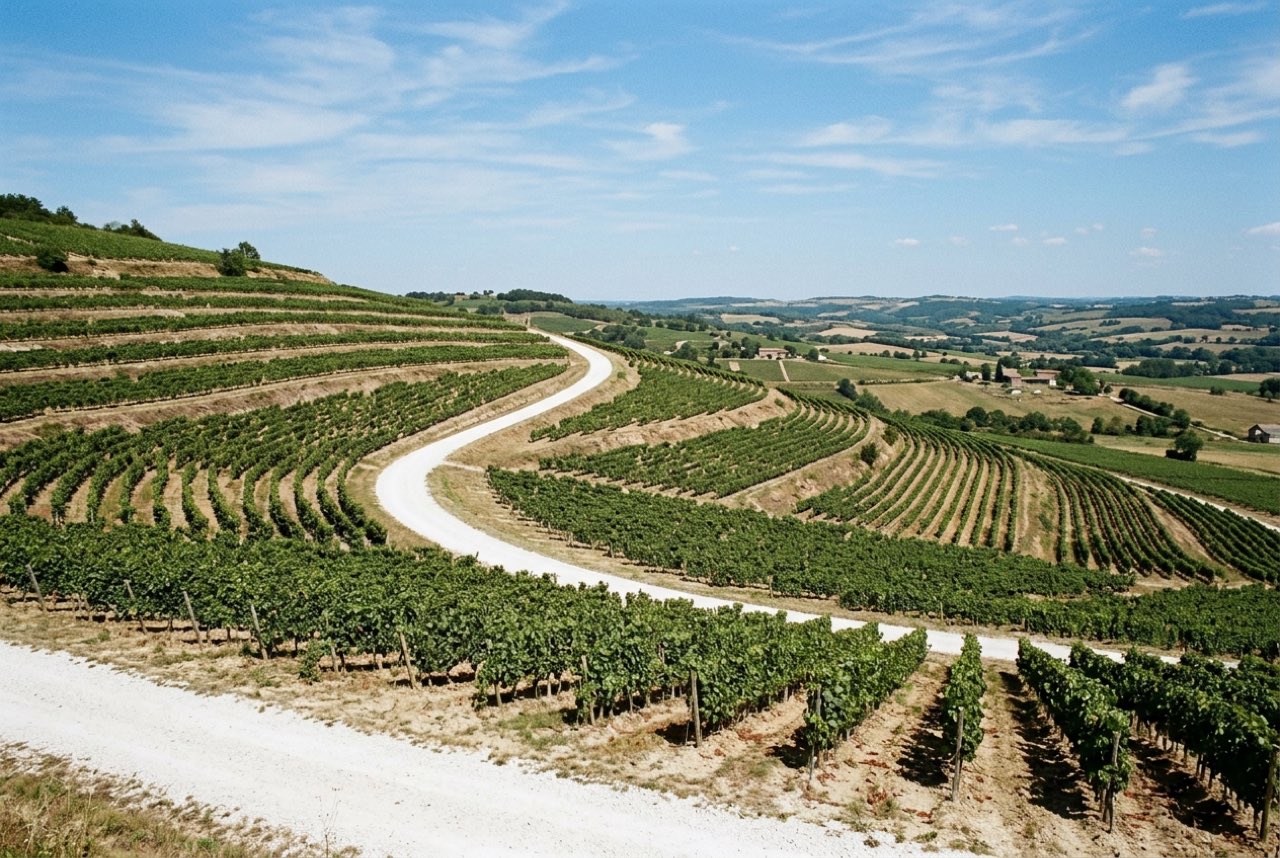
It is about two hundred and fifty miles from Kansas City to the valley, four and a half to five hours, and the last forty of them are two lane over ridges with 25 mile an hour curves and no shoulder. Give those forty miles an hour and a quarter if you are towing anything. Fill the tank in the last real town; the pump at the crossroads keeps its own hours and is shut on Sunday afternoon. If you fly in instead of driving, you still finish with ninety miles of that same road in a rental car, the flight out is your own arrangement, and this office does not sell airfare. Everything described on this page sits inside Missouri.
Nothing that carries you or sleeps you belongs to Third Coast Dispatch. The cabins belong to the family that built them, the canoes, the vans and the licence to run people on the water belong to the river company, and Third Coast Dispatch Bookings LLC holds none of it and never has. That company sends you its own bill under its own contract when your dates are confirmed, and this office takes no payment of any kind at any stage.
What happens here is narrower and worth stating plainly. You give us a week, the number of adults, whether you want a tandem canoe or two solo boats, and whether the guided days should be the first two or the last two. We put those exact dates in front of the cabins and in front of the river company and come back with a figure that holds for them. Two to four working days is honest, because two different people have to answer and one of them is on the water until five most days.
This office is at 600 SW Jefferson St, Suite 302, Lee's Summit, MO 64063. Send the dates to bookings@thirdcoastdispatch.com and you will get a written answer with the numbers in it. If something on this page is wrong, a distance, a temperature, a week, tell corrections@thirdcoastdispatch.com and it gets corrected. If you would rather say the week out loud than type it, the number is +1 (816) 525-2846.
Ask the office to hold a departure
Open 24/7, this form will take a booking request whenever you write it. Nowhere on it is a card number requested and nothing is charged, because no money is ever owed to this office. Whatever reaches the form is opened in the order it landed, and an answer goes back inside one working day.
Nowhere on this page is a card number requested, and none is kept by this office anywhere. Writing costs you nothing and ties you to nothing. Asking is not the same as holding: your date belongs to whoever asks next until the operating company has confirmed it on paper and you have read what it requires of you.