wet bamboo, cold highland nights, indri calling before eight
Reserve 14 nights in the Madagascar highlands
Fourteen nights are held on this one, three of them at the forest edge above the Namorona river at Ranomafana, with one vehicle and one driver kept for the whole fourteen days, from $4,151 per person on two sharing. The reason to make the drive is that twelve lemur species live inside a single park on the eastern escarpment, and the only way in is a road that climbs and drops through terraced rice for two days first.
14 nights, from $4,151 per person.
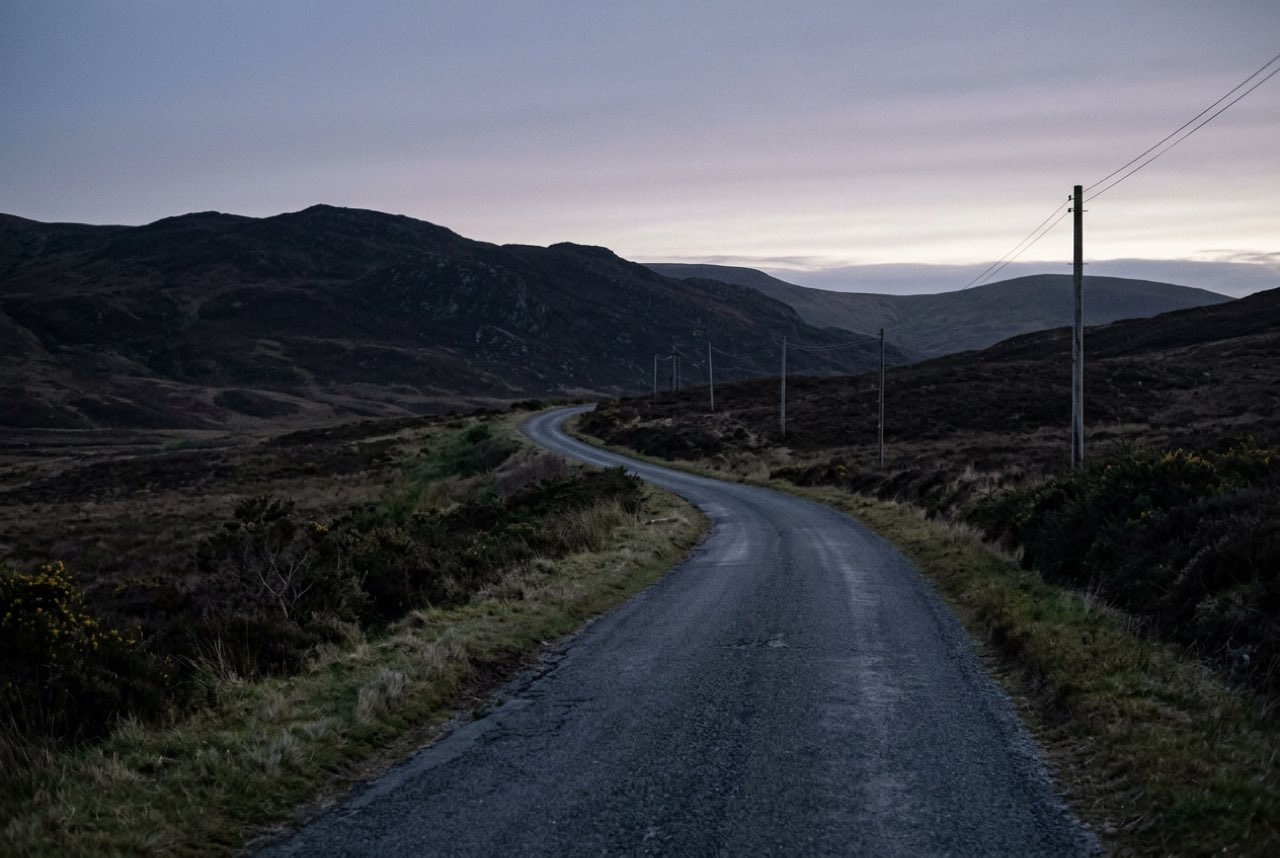
Reserve 14 nights in the Madagascar highlands and what you are holding is two unlike halves. Eleven of them run inland between four and five thousand feet, on a road that needs four hours to cover 105 miles because of ox carts, trucks in low gear and market days that put several hundred people and their sacks onto the tarmac. The other three sit in rainforest on the eastern escarpment, where the walking is short in distance and long in time, and where the guide stops in the middle of a sentence because something moved forty feet up.
The vehicle and the driver are yours for all fourteen days rather than leg by leg. He drives and he does not guide; inside both reserves the park's own guide takes over, which is the rule there and not a preference. The vehicle also stops when the light goes. Nothing on this route runs after dark, because the road south carries unlit carts and walkers and the broken section toward Ranomafana has holes the size of a bathtub in it. A day that looks like 150 miles on a map is seven hours in practice, and every schedule here is built at 26 miles an hour.
Third Coast Dispatch takes the request and places it with the company that actually runs the fourteen days. That company owns the vehicle and holds the rooms. Not one bed, seat or boat named on this page belongs to Third Coast Dispatch Bookings LLC, and no money of any kind changes hands at this office. No air ticket is sold here either. Give this office the dates you want and a figure built against those exact dates, in that season, with those rooms, comes back to you inside two to four working days.
When it goes
Most weeks, April through November
most of the year: a long window, and the page says what changes across it
What is reserved
14 nights in the Madagascar highlands
14 nights, from $4,151 per person. Send a booking request
One room held for fourteen nights across eight changes of bed, one vehicle and one driver held for the full run, three nights of forest lodging at Ranomafana and two at Andasibe held against your dates, and one booked seat on the narrow gauge train down to Manakara on a day it runs.
Ranomafana covers about 160 square miles of forest hung on a slope between 2,600 and 3,900 feet, and rain falls there in all twelve months, roughly nine inches of it in April and drizzle most mornings even in August. The golden bamboo lemur was described in that forest in 1987 and lives on shoots carrying enough cyanide to kill an animal of its weight twelve times over; it eats them anyway, sits in one clump for the better part of an hour, and the guides locate it by chewed stems rather than by movement. Antsirabe, seven hours back up the road, sits at 4,900 feet and drops to about 41 degrees before dawn in July, in rooms built without heating. The narrow gauge line from Fianarantsoa to the sea covers 101 miles, halts at seventeen stations where bananas and coffee are loaded by hand, and is timetabled at nine hours, though twelve is ordinary. At Manakara the Pangalanes canal runs behind the beach with about a hundred yards of sand between flat brown water and heavy surf. Indri at Andasibe weigh 13 to 21 pounds, hold about a hundred acres each, and call between seven and eleven in the morning in bursts of forty seconds to three minutes that carry more than a mile down the valley.
Fourteen nights of twin or double rooms in guesthouses and small hotels picked for where the driving day ends rather than for the address; one vehicle and one English speaking driver for the full fourteen days, fuel and his own lodging and meals included; three nights at the forest edge at Ranomafana and two at Andasibe; park entry at both, which is charged per day and not per visit; the park guides who are compulsory inside both reserves, for two day walks and one night walk along the boundary road; a booked seat on the narrow gauge train down to Manakara, with the driver taking the empty vehicle by road to meet you at the station; a two hour launch on the Pangalanes canal at Manakara, a passage the company operating the boat holds under its own licence and crews itself; breakfast every morning and dinner on the seven nights where the kitchen you are sleeping above is the only kitchen; drinking water in the vehicle throughout; the road transfer between the airport and Antananarivo at both ends.
The flight to Antananarivo, which is yours to arrange, $1,450 to $2,300 round trip out of Kansas City inside this window; lunches, $4 to $12 at a roadside kitchen and $15 to $25 at a hotel; dinner on the seven nights in towns where you can choose, $12 to $30; drinks of any kind, $1 to $6; the guide tip that is expected at the end of each walk, $10 to $20 per guide; the driver tip at the end of the fourteen days, $8 to $12 a day from the two of you together; extra night walks at Ranomafana beyond the one held, $25 to $35 each; the side trip to the crater lake at Tritriva above Antsirabe, $20 to $30 in entry and guide; marquetry and silk out of the Ambositra workshops, $5 to $200; laundry by the bag, $3 to $8; anything at all to do with insurance, on which this office neither sells nor comments.
The walking at Ranomafana is clay, roots and cut steps on a slope, and the first mile out of the main entrance climbs about 600 feet in short pitches with nothing flat between them; if that reads as too much, the forest is the trip and there is no shorter version of it. Four of the days are six to eight hours in a vehicle at an average of 26 miles an hour, with two stops, and the road to the coast is potholed for long stretches. Highland rooms between June and August have no heating and no hot water after nine at night, and the temperature outside them falls to the low forties. Nothing on the route moves after dark, so if you like late dinners and cities at night, this trip ends every day at about six.
The road south, and the towns that slow it down
Antananarivo stands at 4,200 feet and you leave it early, because the southern exit takes an hour before the city lets go. Antsirabe, 105 miles on, is a grid of wide streets laid out for a spa town, and it runs on pousse-pousse, two wheeled carts pulled at a jog by men who wait at every corner and several thousand of whom work the streets. The town sits at 4,900 feet, which is why a July morning there begins near 41 degrees in a room built without heating, and why the third blanket is a serious question. Ambositra, two hours further along, is one long street of workshops cutting marquetry in pale and dark woods, and the inlay is chiseled at the back of the shop while you stand among the stacked boards. Between the towns the hills are terraced to the ridge line, with red brick houses and wooden balconies standing at the corners of the paddies. From June into September you will pass family gatherings on the verges, exhumation ceremonies with a brass band and two hundred relatives in the road; those are family occasions and not something to walk into, and the driver will slow, lift a hand and keep going.
Three nights at Ranomafana
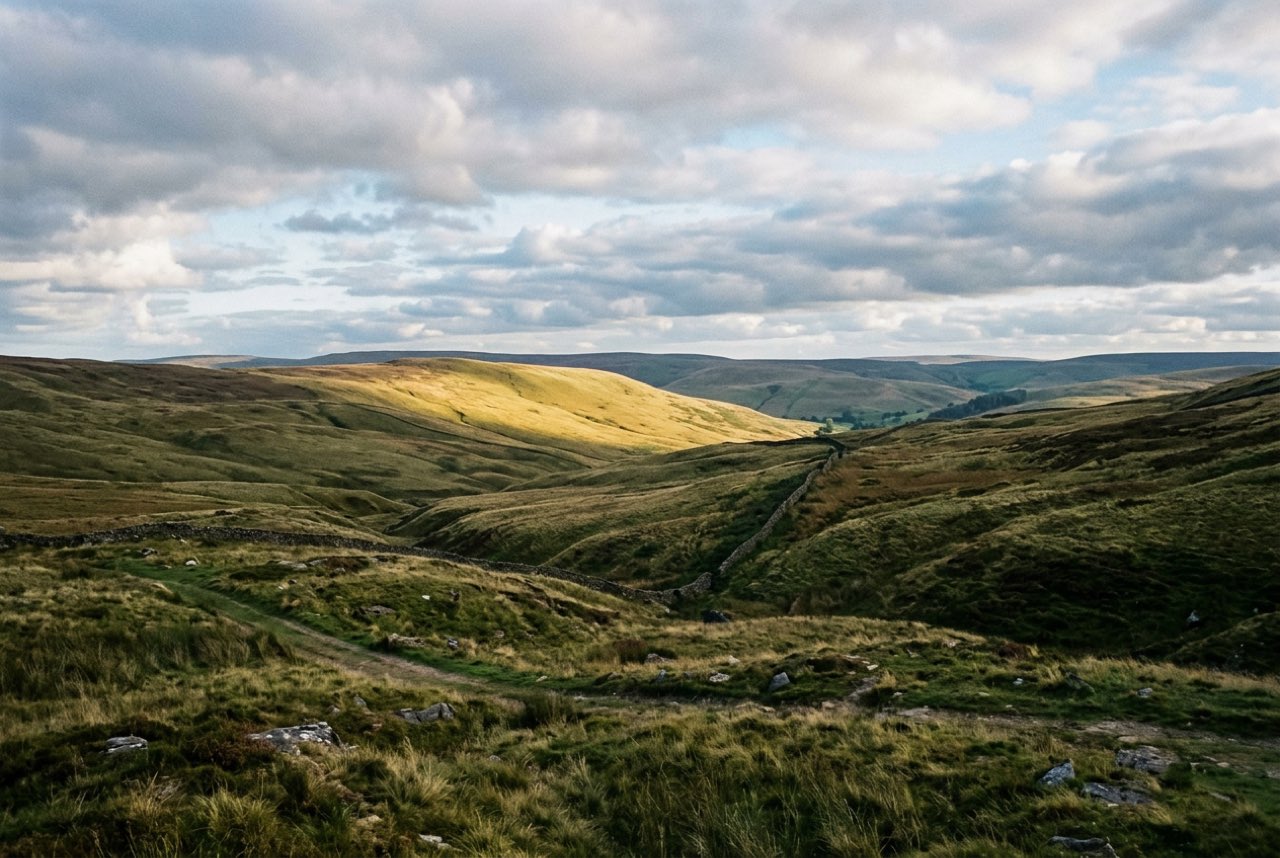
The park is about 160 square miles of forest on a slope, cut by the Namorona river, which you can hear from the road at the entrance. Rain falls in every month. April still delivers around nine inches, and even August, the driest stretch of the year, gives drizzle before breakfast and standing water on the clay. Trails are roots and cut steps, and the first mile up from the main entrance gains roughly 600 feet in a series of short pitches. Twelve lemur species live here. The golden bamboo lemur eats shoots loaded with cyanide, holds still inside one clump of bamboo for the better part of an hour, and is found by looking at what has been chewed rather than by looking for movement. Two others in the same park eat the same plant at different heights, which is the sort of thing your guide will point out with a stick and no ceremony.
The night walk happens on the public road along the park boundary, because walking inside after dark is not permitted. That sounds like a compromise and is not; mouse lemurs come down to eye height at the forest edge, and chameleons sleep on the outer tips of branches where a torch finds them in seconds. Bring long socks pulled over your trousers. After rain the ground leeches come up, they get through sock tops, and they are a nuisance rather than a danger. Below the entrance the thermal spring feeds a concrete pool at about 100 degrees, and the village uses it late in the afternoon.
the rain is ending rather than ended, about nine inches at Ranomafana, and the clay on the trails keeps hold of a boot
roads dry, the highland rice comes in gold, and nights at 4,900 feet settle near 48 degrees
first light at ten past six and dark by half past five, 43 degrees in the highlands before dawn, no heat in the rooms
the cold month, close to 41 at Antsirabe at five in the morning; humpbacks pass off Manakara and are visible from the sand on a clear day
clean air on the ridges, dust on the verges of the road south, bamboo chewed low so the lemurs work higher up the slope
afternoons back to 75 in the forest, mud gone from the shorter loops, and the river low enough to hear frogs over it
jacaranda purple through Antananarivo for about three weeks, first afternoon thunder on the escarpment, sea at Manakara near 79
88 and humid on the coast, storms building most afternoons inland, thirteen hours of daylight instead of eleven
The line down to Manakara
On a day the train runs, you take the narrow gauge line out of Fianarantsoa and drop 3,900 feet to the sea at Manakara, 101 miles of tunnels, bridges and switchbacks laid in the 1930s. The timetable says seven in the morning to six at night. It has arrived at two the following morning. It halts at seventeen stations, and those halts are not for passengers: crates of bananas, sacks of coffee, baskets of lychees when the season is on, all loaded by hand from the platform and the bank, while children sell fried cakes and steamed manioc through the windows. You are booked into first class, which means a padded bench and a window that opens, and the ride is not smooth in any class. Your driver takes the empty vehicle down by road, 155 miles of it, and waits at the station whenever you arrive.
Manakara is a working town and not a resort. The Pangalanes canal, a chain of lagoons and cut channels running more than 400 miles up this coastline, passes behind the beach, so you can stand on a strip of sand a hundred yards wide with still brown water on one side and open surf on the other. The launch takes two hours out to a village on the canal bank and back, and the company operating that boat holds the passage under its own licence and puts its own crew on it. The ocean breaks hard here and nobody swims off that sand. Between July and September humpbacks travel north offshore, and on a clear morning you see the blows from the beach without going anywhere near them.
Indri at Andasibe, and the last two mornings
The return north repeats the road you came down, in two long days with a night at Ambositra or Antsirabe depending on which market day you hit. Then the trip turns east out of Antananarivo instead, 87 miles that take close to four hours because the road falls off the plateau in tight curves behind trucks that cannot use their brakes on the descent.
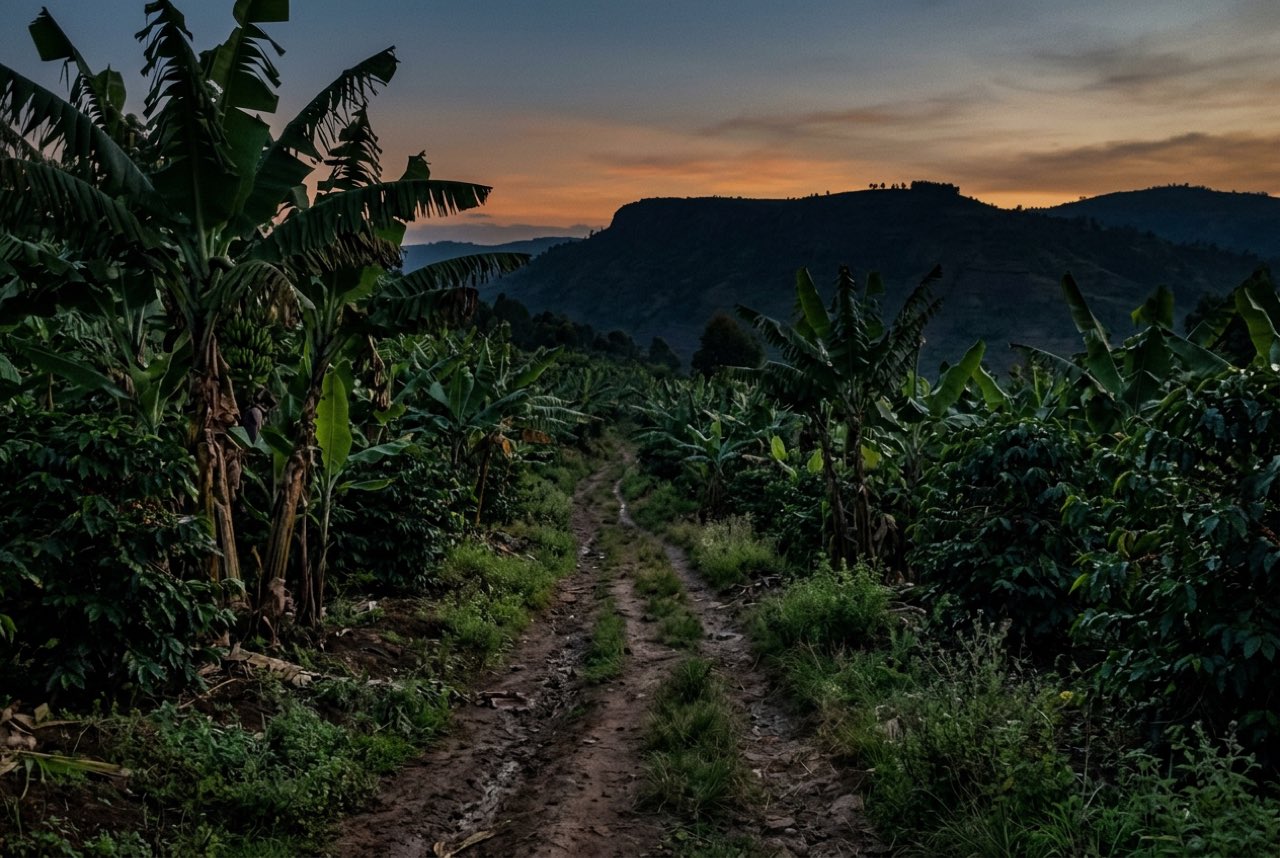
Indri weigh 13 to 21 pounds, are the largest lemur alive, are black and white with no tail worth the name, and have never survived in captivity, which is why anybody who wants to see one has to come to this valley. They call between seven and eleven, usually twice in a morning, for forty seconds to three minutes, and the sound goes more than a mile through the trees. The guide walks you toward it and then leaves the trail through wet ferns and standing water. Calling generally stops around nine, so a slow start costs you the morning. A second reserve twelve miles north sits at the end of a rough track, fifty minutes each way, impassable in an ordinary car, and buys you a longer walk with almost nobody on it and a chance at diademed sifaka.
You finish where you began, back at 4,200 feet, with an afternoon in the upper town if your onward travel is the next day. To begin, send this office two or three date ranges and it will find out what can actually be held in that week. The office is at 600 SW Jefferson St, Suite 302, Lee's Summit, MO 64063, this office answers on +1 (816) 525-2846, and dates can go to bookings@thirdcoastdispatch.com. Third Coast Dispatch Bookings LLC does business under the name Third Coast Dispatch in Missouri, takes no payment at all, and hands the reservation to the operator; that operator invoices you directly, on its own account, once you have accepted the figure. If a number on this page has gone out of date, write to corrections@thirdcoastdispatch.com and it will be put right.
Ask the office to hold a departure
Open 24/7, this form will take a booking request whenever you write it. Nowhere on it is a card number requested and nothing is charged, because no money is ever owed to this office. Whatever reaches the form is opened in the order it landed, and an answer goes back inside one working day.
Nowhere on this page is a card number requested, and none is kept by this office anywhere. Writing costs you nothing and ties you to nothing. Asking is not the same as holding: your date belongs to whoever asks next until the operating company has confirmed it on paper and you have read what it requires of you.