pebbles underfoot at dawn, flames in the rock, boats leaving on demand
Reserve a twelve night Lycian coast trip
Twelve nights on the Lycian shore of Turkiye, four in Cirali, four beside the Kekova sound and four in Kas, at $2,845 per person on two sharing. The moves between the three towns are made in a dolmus seat and a ten minute boat crossing rather than on a coach. People take this one because the swimming is the point and the walking is optional.
Twelve nights, from $2,845 per person. Two sharing.
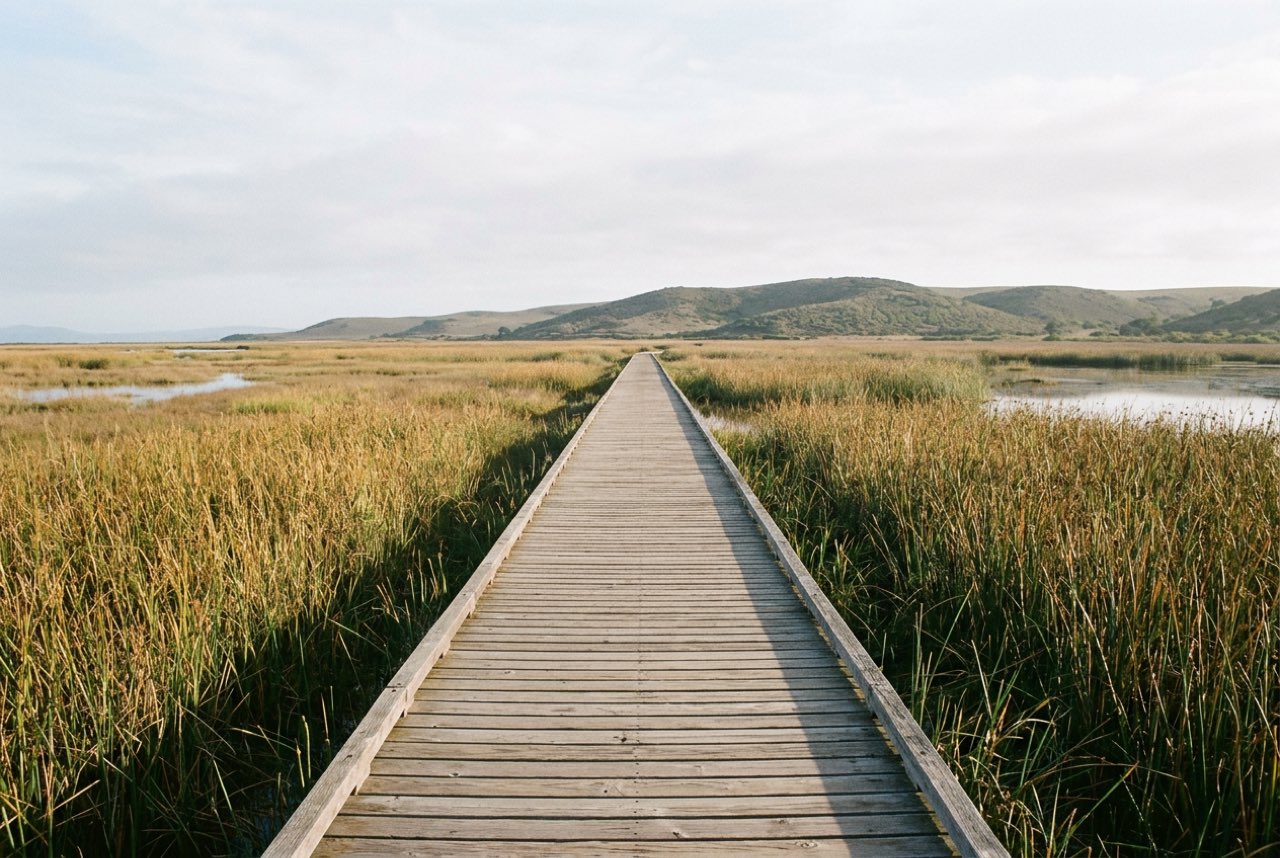
What is held here is twelve nights on the Lycian shore of Turkiye: four in Cirali, four beside the Kekova sound and four in Kas, two beds a night, at $2,845 per person on two sharing. You can reserve a twelve night Lycian coast trip against almost any week between the middle of March and the end of November, and a written figure for the dates you actually name comes back in two to four working days.
Forty miles separate the first town from the last, and the driving time between them is nearer two hours than one, because the road quits the sea at every headland, climbs to twelve hundred feet and comes back down into the following bay. Four nights in each place, instead of a night here and a night there, is the only sensible answer to a road built that way.
None of what follows belongs to Third Coast Dispatch Bookings LLC. Not a room in any of the three houses, not a seat in the minibus, not the boat, and there is no aircraft anywhere in it. This office puts your request in front of the company that runs the twelve nights on the ground, that company confirms under its own name and invoices you on its own account, and no money is taken at this end at any point in the process.
When it goes
Any week from the middle of March to the end of November
most of the year: a long window, and the page says what changes across it
What is reserved
A twelve night Lycian coast trip
Twelve nights, from $2,845 per person. Two sharing. Send a booking request
Two beds are held for four nights in each of three guesthouses, both airport road transfers and the seats between towns are put in your names, the crossing to the roadless village is held with the company that runs the boat, and the rest of the twelve days is left open.
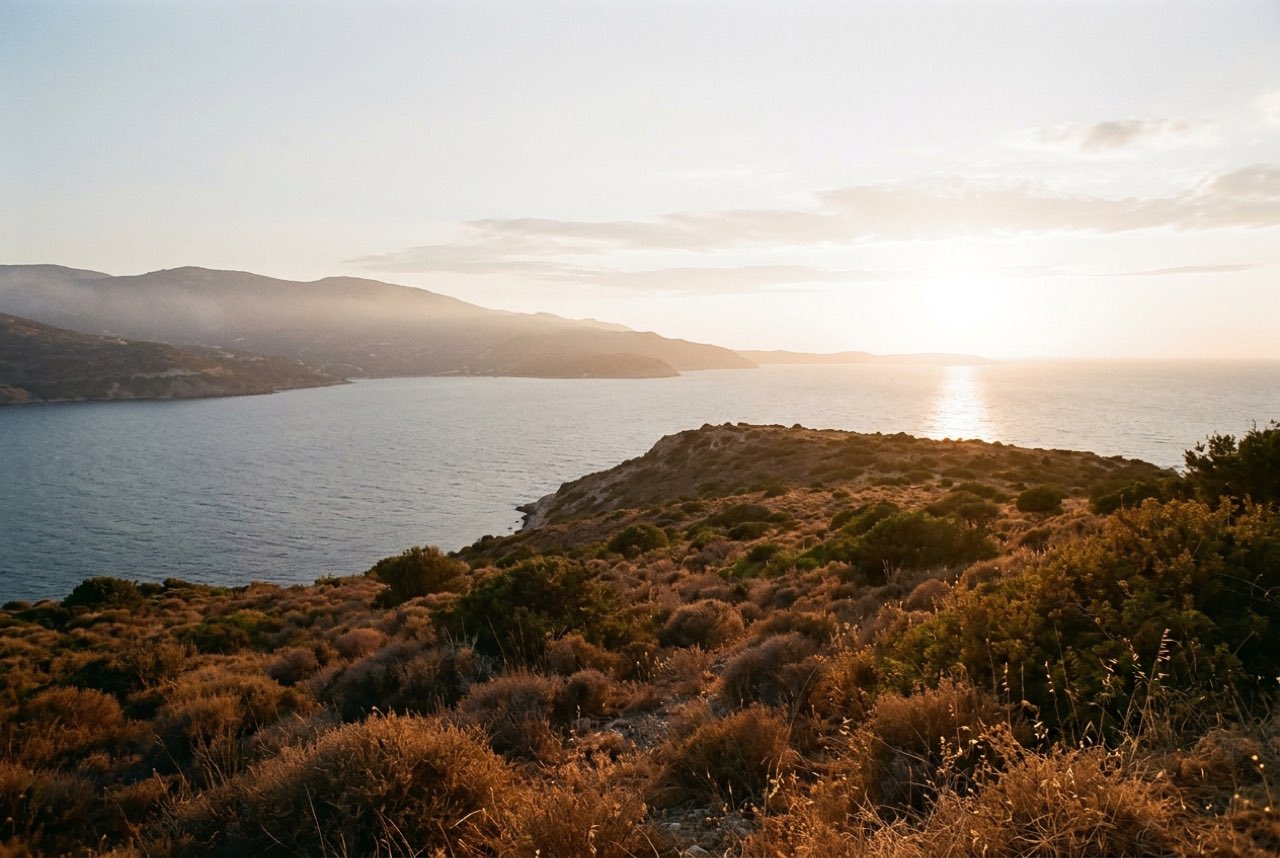
The three towns lie along forty miles of shore and no two of them are less than ninety minutes apart, because the road quits the water at every headland, climbs to twelve hundred feet and drops back into the next bay. Cirali has two and a quarter miles of grey pebble in front of an orange growing village, nothing built above three floors, and a rule in nesting season that no light may face the water, so the whole plain goes dark by eleven. Behind the village a stone path climbs twenty five minutes to vents at Yanartas where gas burns out of bare rock and has done for as long as anyone has written about this shore. The second town sits on an enclosed sound where a Lycian sarcophagus stands upright in the sea with water inside its chamber, and the island opposite shows door frames and steps running below the surface, dropped by earthquake in the second century. The village on the far side of that sound has no road to it at all, so bread, gas bottles and luggage arrive by boat. Kas has a Hellenistic theatre of twenty six rows on the western headland with nothing between the top row and open water, and the sun leaves that water at 8:25 in late June and at 5:10 in the third week of November.
twelve nights for two sharing, four in each of three family run guesthouses of six to fourteen rooms; breakfast every morning, on a terrace from the beginning of May; the road transfer from the airport at Antalya to Cirali, 53 miles and about ninety minutes; the road transfer from Kas back to the same airport, 118 miles and close to three hours; reserved dolmus seats on both moves between towns; the crossing to the roadless village on the sound, which the company operating that boat holds under its own passenger licence and bills on its own paperwork; a full day on the water above the sunken shoreline at Kekova, on that same company's licence and account; one guided walk of six miles on the waymarked path above Cirali, with a guide who lives in the village; entry to the ruins at the south end of the Cirali pebbles and to the castle above the village on the sound; luggage moved by road between the second town and the third.
the flight to Turkiye, which stays yours to arrange from first to last and is sold nowhere on this site, $760 to $1,420 round trip out of the middle of the country in April or October and $1,100 to $1,900 in August; lunch and dinner, $9 to $26 a head at a village table and $16 to $38 on the Kas harbour front; extra hours on the water if you ask the skipper to stay out past six, $40 to $70 for the boat; any crossing of the sound outside the one that is held for you, $12 to $25 a person each way; entry to the rock cut tombs and the theatre inland at Demre, about $9; a sun bed and umbrella on the pebbles, $6 to $11 a day; a rental car for one day out of Kas, $38 to $65 plus fuel, and the fuel is the larger half; drinks, $2 for tea and $4 to $7 for a beer; laundry at the guesthouses, $6 to $9 a load; tips, which are yours to judge; anything touching entry documents, on which this office gives no advice at all.
The guided path above Cirali gains nine hundred feet in the first mile on loose limestone and carries no shade after ten in the morning. The village on the sound has no road, which means a suitcase goes up sixty steps from the jetty through somebody's vegetable garden and there is nobody waiting to carry it. From the middle of July to the end of August the afternoon reaches 95 degrees inland at Demre and the pebbles hold that heat until nine at night. If a place where the last boat leaves at six and nothing is open past eleven sounds like an empty evening, reserve something else.
Cirali, the sound and Kas
Cirali is a farming village that happens to have two and a quarter miles of grey pebble in front of it. There is no promenade and no strip of bars, and nothing stands above three floors, because the whole plain behind the beach is protected ground where loggerheads come up to lay between late May and August. Nests are marked with wire cages, no light may face the water after dark, and the guesthouses hand you a red flashlight for walking back from dinner. At the south end, past the stream that cuts the pebbles and is shin deep in June, the ruins of Olympos run up a gorge under plane trees, half of them standing in the water. Above the houses a stone path climbs twenty five minutes to Yanartas, where gas burns straight out of the rock in a dozen separate vents; people go up after dark for the sight of it and come down in the dark on loose stone, which is worth knowing before you start.
The second stop is on the Kekova sound, and it is the reason the twelve nights are arranged this way. The turning off the main road is twelve miles of single track that takes half an hour, and the village at the end of the water, on the far shore, has no road to it whatsoever. You arrive by boat, ten minutes across, and your bag goes up sixty steps from the jetty through a garden with beans growing over the wall. A castle stands above the roofs with a small theatre cut into rock inside the wall, seven rows of it, and from the top you look down on a sarcophagus standing in the sea with the water inside its lid. Along the island opposite, foundations and staircases run on under the surface where the ground dropped in the second century; boats slow to walking pace over them, and nobody is permitted to swim there.
Kas holds a few thousand people out of season and is the one town of the three with a pharmacy open late, a bus station and something to do at eleven at night. The market fills the streets behind the harbour on Friday morning and is mostly for the people who live there: tomatoes by the crate, thyme honey, and cheese sold out of tins. Twelve miles east, the road passes above a slot of sand at the bottom of one hundred and eighty seven concrete steps, packed at noon and empty by six in the evening.
Nine months on the same shore
The window is long and it is not one season repeated. What changes across it is the water temperature, the length of the day, how many minibuses run, and whether the kitchen in your guesthouse is lit at all. The table below is what the three towns are actually like month by month, and it is the thing worth reading before you pick a week.
kitchens and rooms reopen from about the 15th, the sea is near 61 degrees and hardly anyone gets in, anemones and cyclamen out on the terraces above the road
72 degrees by day and water at 63, the waymarked path at its best, and the greenhouses on the Demre delta still cutting tomatoes
first month the sea reads warm to most people at 69 degrees, turtles start coming up the Cirali pebbles after dark and the beach lights go off for the season
sun off the water at 8:25, water at 73, guesthouse dinner served at seven because the cook leaves at nine
93 to 97 degrees inland at Demre, breeze onshore from about one in the afternoon, walking done before nine or not done
water 82 to 84 degrees with no cool night to break it, figs ripe on the trees, hatchlings crossing the marked pebbles in the dark
88 degree air over an 84 degree sea, boats still going out full, the month most people mean when they describe what they want
water holds 75 into the third week, pomegranates splitting on the branch, dolmus runs down to four or five a day
the first real rain, 7 to 9 inches of it inside three or four days, sun gone by 5:10 and half the kitchens shut by the 20th
Moving between the towns without a car
Every move inside the twelve nights is made on public transport or in a boat with somebody else at the wheel. Out of Cirali, a shuttle runs the four and a half miles of switchbacks up to the highway junction, where the intercity buses stop on the shoulder rather than at a station and you put your hand out. The dolmus, the shared minibus that does the coastal runs, leaves when the driver judges it full enough, goes roughly hourly between Kas and Demre in summer, and drops to four or five a day once October is halfway through. The crossing to the roadless village is held in your names with the company that operates that boat, under that company's own passenger licence, and it appears on that company's invoice rather than anywhere else.
Nothing about these twelve days requires you to drive. If you want a car for one day out of Kas the guesthouse will arrange it, and the road most people ask about, the coastal road running east, covers forty miles in two hours because of what it does around each headland. Two of the three towns have parking problems in August that a rental car makes worse rather than better.
The figure, and who sends the bill
$2,845 per person on two sharing buys the twelve nights described above: three guesthouses of six to fourteen rooms, breakfast every morning, both airport road transfers, the reserved seats between towns, the held crossing to the village on the sound, the day on the water above the sunken shoreline, the guided six miles on the path, and the two entry tickets. The figure moves with the month, and the two ends of the window do not carry the same one. Ask against the week you actually want and the quote will say what applies to it.
A written figure against your own dates, your own room type and the number of you takes two to four working days. That is not paperwork. Three houses with fourteen rooms between them have to answer, the guide has to say whether he is on the hill that week already, and the boat company has to confirm the crossing on the day you want it rather than the day after. Reaching Turkiye is your own arrangement and this office arranges no flight of any kind; the twelve nights begin when a driver meets you on the pavement at Antalya and end when he leaves you back at the same door. The operating company writes the confirmation, sends the bill and takes the payment itself, all of it on its own paperwork.
Third Coast Dispatch Bookings LLC is a booking office registered in Missouri, at 600 SW Jefferson St, Suite 302 in Lee's Summit, MO 64063, working the Kansas City metro and taking requests from anywhere. The telephone is +1 (816) 525-2846. Dates, names and questions go to bookings@thirdcoastdispatch.com, and requests sent through the form below are answered within one working day, with the operating company's figure following when it arrives. If a distance, a temperature, a price range or a month on this page has gone wrong, write to corrections@thirdcoastdispatch.com and it will be put right. Third Coast Dispatch takes nothing from the traveller at any stage.
Ask the office to hold a departure
Open 24/7, this form will take a booking request whenever you write it. Nowhere on it is a card number requested and nothing is charged, because no money is ever owed to this office. Whatever reaches the form is opened in the order it landed, and an answer goes back inside one working day.
Nowhere on this page is a card number requested, and none is kept by this office anywhere. Writing costs you nothing and ties you to nothing. Asking is not the same as holding: your date belongs to whoever asks next until the operating company has confirmed it on paper and you have read what it requires of you.